





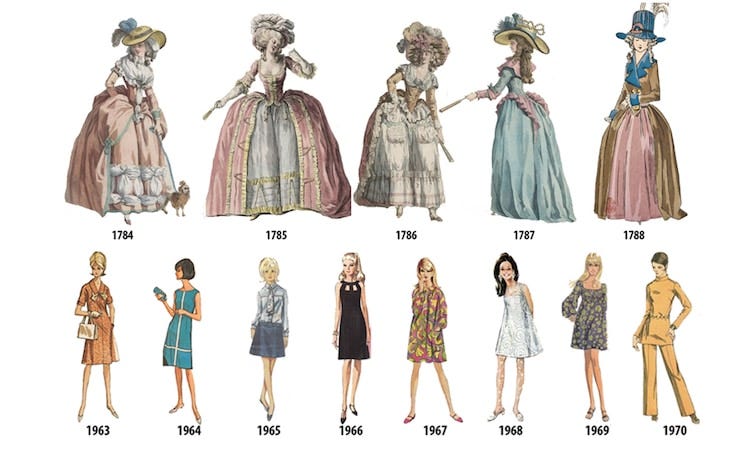
Fashion has always been more than just clothing it is a powerful form of expression that reflects culture, personality, creativity, and history. From ancient civilizations to modern digital runways, fashion has continuously evolved, shaping societies while being shaped by them. In today’s world, where trends spread globally within minutes, fashion stands as one of the most dynamic and influential industries on the planet.
Fashion as a Reflection of Culture
Every culture has its own unique fashion identity. From the colorful traditional dresses of South Asia to the elegant minimalism of Japanese garments, fashion reveals the values, histories, and lifestyles of people. Traditional clothing like sarees, abayas, kimonos, kilts, and African prints tells stories passed down through generations.
Over time, global travel and social media have blended cultural styles. This fusion known as cultural fashion influence has introduced traditional elements into modern wardrobes. Designers often incorporate handcrafted embroidery, ancient jewelry patterns, and regional fabrics into contemporary outfits. This cultural exchange enriches the fashion world and encourages diversity.
The Power of Personal Style
While trends come and go, personal style is timeless. It is the way individuals express their identity through colors, silhouettes, accessories, and textures. Personal fashion choices can communicate confidence, professionalism, creativity, or simplicity.
Some people prefer a minimalistic approach clean cuts, neutral colors, and timeless pieces. Others embrace bold fashion through bright shades, printed patterns, and innovative designs. Streetwear lovers mix comfort with style, pairing hoodies, sneakers, and oversized fits. Meanwhile, classic fashion enthusiasts admire tailored suits, refined dresses, and elegant footwear.
Ultimately, fashion empowers people to express themselves without speaking a single word.
The Influence of Media and Celebrities
In the modern world, the media has a massive impact on fashion trends. Social platforms like Instagram, TikTok, and Pinterest have become virtual runways where outfits spread rapidly. Influencers introduce new looks, styling tips, and fashion hacks that millions of followers adopt within hours.
Celebrities also play a major role in shaping fashion. Red carpet events, movie premieres, music videos, and award shows often inspire global trends. When a famous personality wears a particular design, millions of people immediately seek similar styles.
This rapid trend cycle has created what we now call fast fashion, where designs move from runway to retail in weeks. While it offers affordable clothing options, it also raises sustainability concerns.
Sustainable Fashion: The Future of the Industry
As environmental awareness grows, sustainable fashion is becoming a crucial movement. The fashion industry is known for producing massive textile waste and using harmful dyes. To address this, brands and designers are adopting eco-friendly practices such as:
- Recycled fabrics
- Organic cotton and natural fibers
- Zero-waste manufacturing techniques
- Ethical labor practices
- Second-hand and thrift fashion
Consumers today are more conscious about the environmental impact of their purchases. Slow fashion promotes quality over quantity Investing in long-lasting, durable pieces rather than constantly buying new outfits.
Thrift stores and online resale platforms have also gained popularity, allowing people to shop fashionably while reducing waste. This shift reflects a growing global commitment to responsible fashion consumption.
Technology’s Impact on Fashion
Technology has revolutionized the fashion world in unimaginable ways. Virtual fashion shows, AI-generated designs, AR try-ons, and 3D printing have become part of the modern industry. Some of the biggest technological advancements include:
1. Virtual Runways & Digital Fashion
Designers can now present their collections through digital events, allowing millions of viewers to experience new trends from anywhere in the world.
2. Artificial Intelligence (AI)
AI analyzes consumer behavior and predicts future trends, improving production and reducing waste.
3. Augmented Reality (AR)
AR apps let customers try on clothes virtually before buying, bridging the gap between online and physical shopping.
4. 3D Printing
3D-printed clothing and accessories allow designers to create complex shapes and innovative patterns that were once impossible.
This blend of fashion and technology is shaping a futuristic era of creativity and convenience.
Fashion Trends in Today’s World
Fashion trends change every season, but some styles remain consistently popular due to their versatility and comfort. In recent years, the most prominent trends include:
- Oversized fits – loose t-shirts, baggy jeans, and oversized hoodies
- Athleisure – sportswear worn casually
- Monochrome outfits – wearing one shade from head to toe
- Vintage revivals – 80s, 90s, and early 2000s inspired looks
- Minimalist fashion – clean, simple, and elegant silhouettes
- Statement accessories – bold watches, layered jewelry, and oversized sunglasses
These trends show how fashion blends comfort, nostalgia, and contemporary design.
Fashion in the Workplace
Professional fashion has evolved from strict formal attire to a more relaxed and hybrid style. While suits and blazers still dominate corporate spaces, many companies now embrace smart-casual clothing. This shift reflects the modern work environment flexible, creative, and comfortable.
Stylish yet professional looks include:
- Blazers paired with jeans
- Smart polos with tailored trousers
- Elegant dresses and flats
- Minimal jewelry
- Neutral tones
Workplace fashion helps individuals look confident while maintaining comfort.
The Business of Fashion
Fashion is one of the largest global industries, contributing billions of dollars annually. From luxury brands to streetwear labels, the business side of fashion includes:
- Design and production
- Marketing and advertising
- Retail and e-commerce
- Supply chain management
- Branding and public relations
E-commerce has especially transformed the industry, allowing brands to reach global audiences instantly. Fashion entrepreneurship, launching personal brands or online store,s has also become easier than ever.
Conclusion
Fashion is an ever-changing art form that connects the past, present, and future. It is a universal language that everyone participates whether consciously or unconsciously. Through color, fabric, design, and style, fashion communicates personality, culture, creativity, and emotion.