






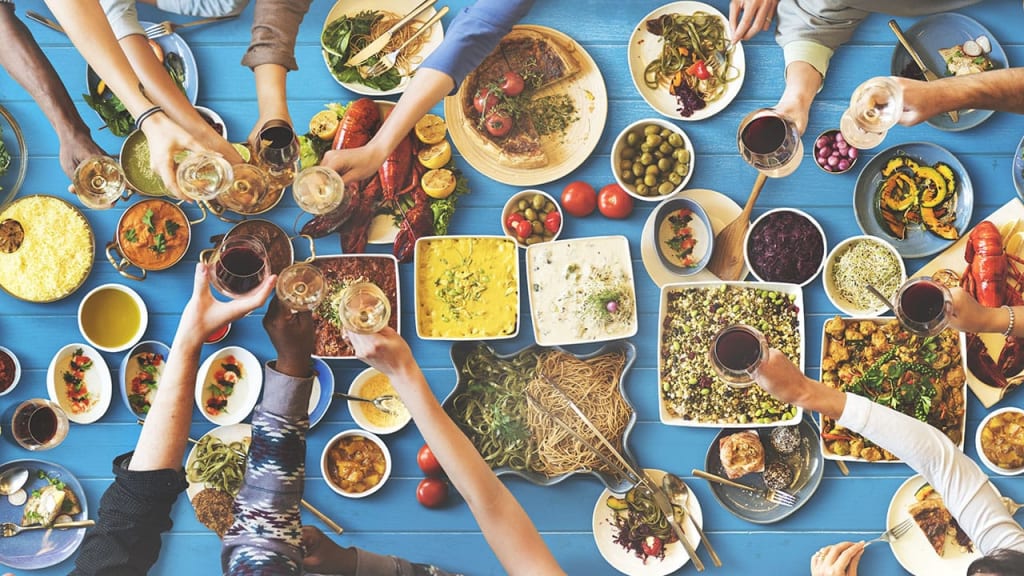
Food is more than just something we eat to survive it’s a universal language, a cultural identity, and a powerful connector between people. Across the globe, food shapes traditions, celebrations, emotions, and even economies. Whether it’s a home-cooked meal, a street-side snack, or a fine-dining experience, food continues to influence our daily lives in countless ways. In this article, we dive deep into the world of food, exploring its cultural significance, modern trends, nutritional importance, and the future of the global food industry.
Food as a Cultural Identity
Every region of the world has its own unique food traditions. These dishes often represent history, geography, and lifestyle. For example, South Asian food is famous for its spices and rich flavors, while Japanese food is known for simplicity, balance, and presentation. In Italy, food revolves around family gatherings, fresh ingredients, and centuries-old recipes passed down through generations.
Food reflects identity what we grow, how we cook, and how we celebrate. Many festivals are incomplete without their signature dishes. Eid features biryani and sheer khurma, Christmas includes roasted turkey, and Chinese New Year celebrates with dumplings and rice cakes. These dishes symbolize togetherness and cultural pride.
The Emotional Connection to Food
Food has a strong emotional impact. Certain flavors remind us of childhood memories, special occasions, or loved ones. A bowl of soup may bring comfort on a cold day, while a favorite dessert can uplift your mood instantly. This emotional connection is why comfort food simple, home-style dishes remains popular everywhere. It brings a sense of nostalgia, warmth, and happiness.
Meals also strengthen relationships. Sitting together at the table allows families and friends to bond, share stories, and build memories. Even in our fast-paced digital world, food remains a way of bringing people closer.
The Rise of Global Food Trends
The modern food industry has changed dramatically over the last decade. With social media, travel, and food blogging, people are more open to trying new cuisines. A few major food trends have become global movements:
1. Healthy and Organic Food
Consumers today are more health-conscious. Organic vegetables, whole grains, plant-based proteins, and low-calorie snacks are becoming mainstream. Many restaurants now offer gluten-free, dairy-free, and vegan food options to meet the demand for healthier lifestyles.
2. Street Food Revolution
Street food has gained worldwide popularity because it’s affordable, flavorful, and authentic. From tacos in Mexico to shawarma in the Middle East and chaat in South Asia, street food provides a real taste of local culture.
3. Fusion Food
Fusion food mixes techniques and flavors from different cuisines. Imagine sushi burritos, butter-chicken pizza, or ramen burgers. These creative innovations attract young food lovers who enjoy new experiences.
4. Food Delivery and Online Services
Technology has reshaped how we enjoy food. Apps allow customers to order meals from anywhere, track delivery, leave reviews, and even subscribe to meal plans. Cloud kitchens restaurants without physical dining spaces are growing rapidly as a result.
Food and Nutrition: A Balanced Lifestyle
While enjoying delicious food is important, understanding nutrition is equally necessary for maintaining health. A balanced diet includes:
- Proteins (meat, fish, lentils, eggs) to build and repair tissues
- Carbohydrates (rice, bread, pasta) for energy
- Healthy fats (nuts, olive oil, avocados) for brain function
- Vitamins and minerals (fruits, vegetables) for overall wellbeing
- Water to support digestion and hydration
Processed food, though convenient, often contains excessive sugar, salt, and preservatives. Moderation is key. Healthy eating doesn’t mean giving up your favorite dishes it means choosing the right portions and ingredients.
Food Waste: A Global Challenge
While many people enjoy a variety of food daily, millions around the world suffer from hunger. Food waste has become a serious issue, with nearly one-third of all produced food going to waste every year. This impacts the environment, economy, and society.
Reducing food waste can start at home:
- Buy only what you need
- Store food properly
- Reuse leftovers creatively
- Donate surplus food when possible
Small actions make a big difference, especially when done collectively.
The Future of Food
The future of food is exciting and innovative. Scientists and chefs are working on new technologies to feed a growing population sustainably.
1. Plant-Based Meat
With environmental concerns rising, plant-based food alternatives are becoming more popular. These products taste like meat but are made from soy, peas, or other plant proteins.
2. Lab-Grown Food
Researchers are developing lab-grown chicken, beef, and seafood to reduce reliance on traditional farming. This technology could help reduce pollution and protect animal welfare.
3. Smart Farming
Technology like drones, sensors, and artificial intelligence is transforming farming practices. Smart farming increases crop yield, uses fewer resources, and produces safer food.
4. Personalized Nutrition
In the future, people may receive diet plans based on their DNA and body type. This personalized approach will make food not just delicious but also medically beneficial.
Conclusion
Food remains one of the most powerful elements of human life. It defines culture, shapes memories, fuels our bodies, and connects people across borders. From traditional recipes to modern food innovations, the world of food continues to evolve, offering endless flavors and experiences.