




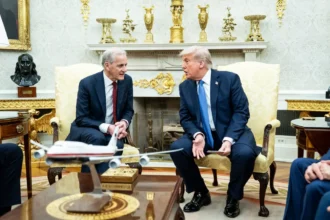

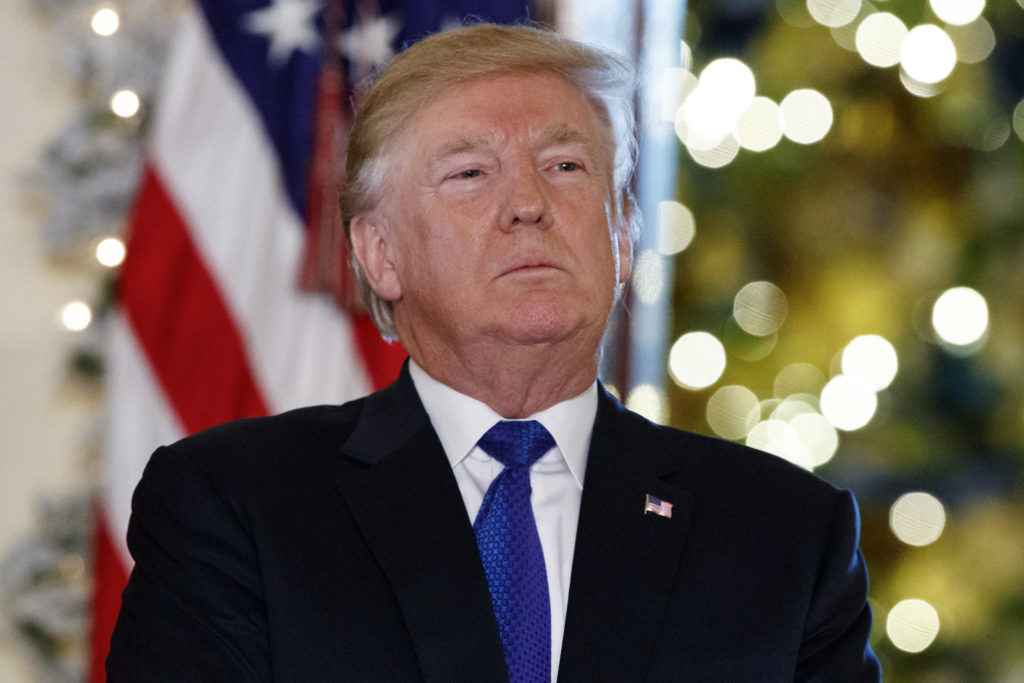
Former U.S. President Donald Trump’s renewed support for Israeli Prime Minister Benjamin Netanyahu has reignited worldwide debate over America’s role in Middle Eastern conflicts. Trump’s rhetoric and policy positions strongly back Israel’s army actions in Gaza and its competitive posture toward Iran, framing those campaigns as shielding whilst critics describe them as “colonial wars” that deepen local instability.As violence escalates and diplomatic solutions weaken, Trump’s stance indicators a cross again to hardline politics that would reshape the destiny of the Middle East and global power dynamics.
Trump and Netanyahu: A Longstanding Political Alliance
The Trump–Netanyahu dating is not new. During Trump’s presidency, the two leaders shared an ideological alignment built on nationalism, militarism, and resistance to multilateral diplomacy. Trump diagnosed Jerusalem as Israel’s capital, moved the U.S. Embassy there, encouraged Israeli settlements in occupied territories, and brokered the Abraham Accords, which normalized members of the family between Israel and numerous Arab states at the same time as sidelining Palestinian concerns.
Now, as Trump campaigns for a political comeback, his statements suggest unwavering loyalty to Netanyahu. He has time and again framed Israel’s navy campaigns as vital for “safety” and “civilization,” echoing Netanyahu’s language. Critics argue this alliance prioritizes pressure over international relations and reinforces a colonial mind-set wherein Palestinian lives and neighborhood sovereignty are treated as expendable.
Gaza: War, Destruction, and the Colonial Label
Trump’s support for these movements, which includes requires Israel to “end the activity,” has drawn sharp complaint from human rights corporations and international observers.
The term “colonial conflict” is more and more utilized by critics to explain Israel’s moves in Gaza. They argue that the conflict isn’t always simply approximately safety however approximately manipulate, displacement, and domination of a population under profession. Trump’s backing, critics say, legitimizes those regulations and shields Israel from duty on the global degree.
Rather than advocating for ceasefires or humanitarian corridors, Trump’s narrative emphasizes electricity and punishment. This approach, analysts warn, dangers normalizing collective punishment and undermines international regulation.
Iran: Escalation Over Diplomacy
Trump’s stance in the direction of Iran in addition reinforces his assist for Netanyahu’s nearby method.During his presidency, Trump withdrew america from the Iran nuclear deal (JCPOA), imposed crippling sanctions, and licensed the killing of Iranian General Qassem Soleimani.
Netanyahu applauded those actions, viewing Iran as Israel’s best existential chance.
Today, Trump maintains to propose a confrontational method, overtly supporting Israeli moves against Iranian hobbies and hinting at possible army action if he returns to strength. Critics argue this posture increases the threat of a broader regional struggle concerning Hezbollah, Syria, Iraq, and the Persian Gulf.
Diplomacy, they say, has been changed with coercion. Trump’s backing of Netanyahu’s aggress
Beyond Gaza and Iran: A Wider Regional Impact
Trump’s aid extends beyond Gaza and Iran to Israel’s broader nearby moves, which includes airstrikes in Syria, stress on Lebanon, and confrontations with pro-Palestinian actions. This expansive technique aligns with Netanyahu’s imaginative and prescient of reshaping the Middle East thru army dominance instead of negotiated peace.
For many within the Global South, those regulations resemble conventional colonial strategies: use of overwhelming pressure, dismiss for local populations, and reliance on external superpower backing. Trump’s endorsement reinforces the perception that U.S. Overseas policy selectively applies global law based totally on strategic pursuits.
Arab public opinion, even in international locations that normalized relations with Israel, has an increasing number of became in opposition to these policies. Protests and political pressure advocate that Trump’s hardline aid might also destabilize alliances in place of enhance them.
The U.S. Role and Global Credibility
Trump’s backing of Netanyahu’s wars additionally increases questions about America’s international credibility. The United States often positions itself as a defender of human rights and worldwide law, yet unconditional help for Israel’s military campaigns weakens that claim.
European allies have expressed difficulty over civilian casualties and humanitarian get right of entry to, even as nations in Africa, Asia, and Latin America increasingly criticize what they see as Western double requirements. Trump’s rhetoric, frequently dismissive of international institutions just like the United Nations, further isolates the U.S. Diplomatically.
If Trump returns to workplace, analysts are expecting a foreign coverage marked with the aid of unilateral choices, decreased diplomacy, and intensified army alliances — specially with Israel — at the cost of worldwide c
Domestic Politics and Strategic Calculations
Trump’s stance is likewise shaped by means of home political issues. Strong assist for Israel resonates along with his conservative base, evangelical citizens, and influential political donors. By backing Netanyahu unequivocally, Trump positions himself as a pacesetter of “regulation and order” on the worldwide level, attractive to citizens who favor electricity over compromise.
However, this strategy incorporates risks. Younger voters, progressives, and minority groups in the U.S. More and more criticize Israel’s moves and oppose unconditional military resource. Trump’s hardline approach may additionally deepen home polarization and have an impact on destiny elections.
Critics and Calls for Accountability
Human rights corporations, global legal specialists, and civil society companies argue that Trump’s aid permits policies that could represent war crimes. They call for investigations, hands embargoes, and accountability mechanisms — measures Trump has traditionally opposed.
By labeling Netanyahu’s campaigns as “colonial wars,” critics purpose to shift the worldwide narrative from safety to justice, emphasizing self-willpower and same rights. Trump’s dismissal of those issues underscores a broader ideological divide over the future of worldwide order.
Conclusion: A Dangerous Path Forward
Trump’s backing of Netanyahu’s “colonial” wars in Gaza, Iran, and beyond displays a worldview rooted in electricity politics in preference to cooperative safety. While supporters body this alliance as a protection of Western pursuits, critics warn it fuels infinite war, humanitarian suffering, and worldwide instability.