




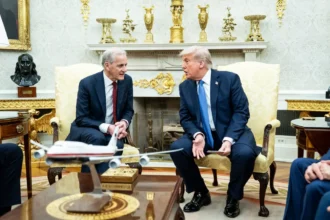

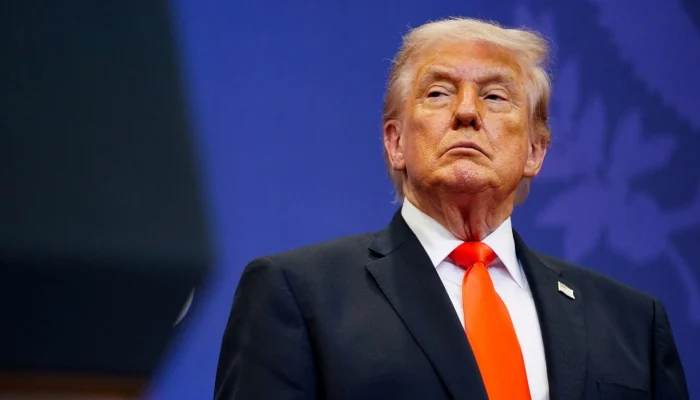
The dating among the U.S. Government and the oil and fuel industry has constantly been a focal point of national economic discussion, political debate, and global power approach. When a president meets with top executives from major oil and fuel businesses, it signals that selections influencing electricity markets, environmental coverage, and national monetary policy may be on the horizon. A meeting of this nature between President Trump and leading oil and gasoline leaders at the White House obviously attracts huge interest across political, economic, and environmental circles.
This article examines the wider implications, coverage discussions, and possible motivations behind this sort of assembly, in addition to its potential impact on the strength sector, customers, global markets, and environmental priorities in the United States.
1. Context Behind the Meeting
Meetings between a U.S. President and power executives are common. Energy is one of the most influential sectors within the American economic system, shaping employment, production, commercial output, and overseas policy. Under President Trump’s leadership both in his previous time period and in his public coverage positions energy independence, domestic drilling, and deregulation were vital subject matters.
The broader context consists of:
- Concerns about rising gas charges
- Debates over environmental rules
- Pressure from each industry and weather activists
- Global geopolitical instability is affecting oil delivery chains
- The destiny of home drilling and energy infrastructure
With so many variables at play, an in-depth discussion among political management and industry executives becomes not only applicable but also important to align strategies and expectations for the future.
2. Potential Topics Discussed within the Meeting
Although the precise info of an assembly like this is usually held behind closed doors, numerous key troubles are likely to be principal to the discussion.
A. Increasing Domestic Oil Production
One of the primary speaking factors can also revolve around boosting home oil manufacturing to:
-
Stabilize U.S. Gasoline expenses
-
Reduce reliance on imports
-
Strengthen national power and independence
-
Support job boom in oil-generating states
Executive leaders may also push for streamlined permitting processes, access to new drilling locations, and incentives to boost output.
B. Regulatory Policies and Deregulation
President Trump has traditionally eadvocatedfor slicing regulations that he perceives as limitations to energy expansion. The meeting may additionally involve discussions about:
-
Reversing or editing emissions policies
-
Easing restrictions on drilling places
-
Accelerating pipeline approvals
-
Allowing elevated offshore drilling
Industry leaders regularly argue that regulatory burdens slow innovation, lessen competitiveness, and increase purchasing costs.
- Energy Prices and Market Stability
Fuel costs particularly gasoline remain a central problem for millions of American families. Discussions inside the meeting may also focus on:
- Stabilizing market volatility
- Preventing charge spikes throughout international activities
- Increasing refining capacity
- Strengthening supply chain resilience
Executives may present facts-driven issues to the management regarding the challenges in refining, transportation, and staff shortages.
- Transition to Renewable Energy
Even though the oil and gas enterprise is traditionally visible as opposing rapid renewable energy growth, many corporations at the moment are investing in hybrid techniques, including:
- Natural fuel as a “transition gas.”
- Carbon capture and storage technology
- Hydrogen energy improvements
- Renewable gasoline options
The White House might also explore how the enterprise canstabilizey conventional fossil fuel output with the pressures of long-term sustainability.
3. Political Implications of the Meeting
Such an assembly carries sizeable political weight. Supporters and critics frequently view it through exceptional lenses.
- Supporters’ Perspective
Supporters of the meeting argue that:
- The president is responding to electricity worries affecting everyday Americans.
- Stronger domestic production can decrease fuel costs.
- Reducing regulatory burdens boosts the monetary boom.
- The U.S. Should fortify energy independence in preference to depend upon volatile overseas markets.
They see the meeting as a realistic step towards improving countrywide stability and financial resilience.
- Critics’ Perspective
Critics, meanwhile, raise issues such as:
Favoring fossil fuel companies over renewable energy possibilities
- Potential environmental and climate effects
- Risk of coverage being closely motivated by enterprise lobbyists
- Ignoring long-term period sustainability for short-term market advantages
Environmental organizations argue that coverage must raise awareness on lowering emissions, expanding easy energy, and aligning with international climate goals.
4. Economic Impact and Industry Response
The oil and gas industry immediately impacts tens of millions of jobs, funding flows, and the country’s GDP. The assembly could doubtlessly shape numerous economic effects.
- Impact on Fuel Prices
Boosting production or lowering regulatory barriers ought to:
Lower fuel costs
- Stabilize marketplace fluctuations
- Increase domestic delivery
Even bulletins of capacity coverage adjustments can affect oil futures and marketplace self-assurance.
- Job Creation and Industry Growth
If the management pushes for increased drilling or infrastructure improvement, industries that can gain include:
- Oil drilling and extraction agencies
- Pipeline construction corporations
- Refining operations
- Equipment producers
5. Environmental Considerations and Long-Term Outlook
Any policy adjustments or commitments from one of these meetings will unavoidably affect environmental consequences.
- Reducing carbon emissions
- Protecting natural habitats
- Expanding renewable technology
Balancing economicgrowthe with environmental responsibility remains one of the biggest challenges of modern-day power coverage.
Carbon Capture and Technology Innovation
One ability compromise route is expanded funding in carbon capture and storage (CCS). Oil companies may suggest:
- Partnering with the authorities on CCS initiatives
- Investing in smooth strength research
- Improving methane capture technology
- Reducing flaring and emissions via automation
These innovations, if supported, can reduce environmental impact at the same time as preserving energy production ability.
6. What This Meeting Means for American Consumers
Ultimately, the average American will choose the outcomes of such an assembly based on regular effects, consisting of:
- Gasoline prices at the pump
- Monthly power payments
- Availability of jobs in electricity-producing states
- Stability of supply throughout global crises
If the management and enterprise leaders discover commonplace floor, those regions could see large benefits. However, if coverage shifts result in environmental issues or market volatility, public opinion may additionally become divided.
Conclusion
A meeting among President Trump and leading oil and gasoline executives at the White House is more than just a discussion amongst effective figures it is a pivotal moment that would form countrywide power policy, financifinancial stabilitynvironmental policy for years to come. Whether the focus is on boosting production, easing guidelines, selling innovation, or balancing fossil fuels with renewable energy, the consequences of such discussions will have an impact on hundreds of thousands of Americans.
Trump Trump Trump Trump Trump Trump Trump Trump