




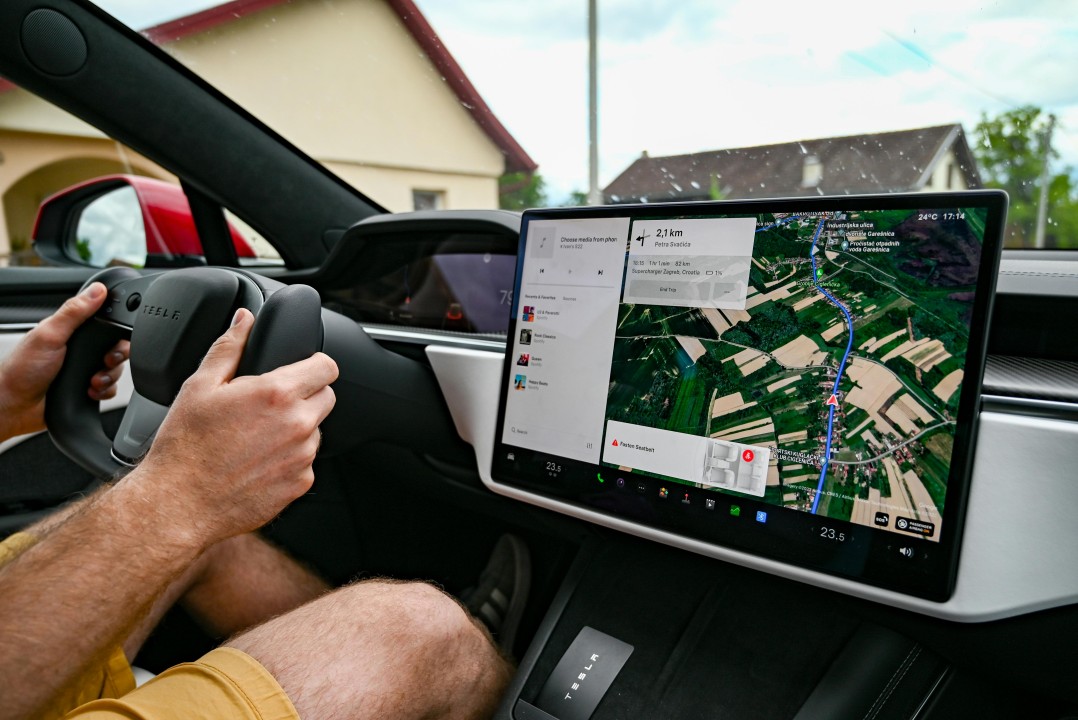
In today’s technology of rapidly technological technology, the boundary between computer systems and motors is disappearing. What changed into as once a simple mechanical car has now transformed into a clever laptop on wheels. The term “computer car” flawlessly captures this fusion — a vehicle that combines advanced computing structures, artificial intelligence (AI), sensors, and connectivity to enhance riding enjoyment, safety, and performance.
What Is a Computer Car?
A pc automobile refers to a modern automobile that is based closely on automated systems for its operation, manipulation, and protection. Unlike traditional motors that depended purely on mechanical and hydraulic structures, these days’ vehicles use virtual processors, chips, and software algorithms to control the whole lot — from engine performance and braking to navigation and entertainment.
In easy terms, a computer automobile is a vehicle wherein the computer acts as the mind, coordinating and controlling various subsystems to ensure smooth and clever operation.
Core Components of a Computer Car
A pc automobile integrates numerous advanced technologies that paintings collectively to make using smarter and more secure:
Electronic Control Units (ECUs)
Modern cars may have 50 to one hundred ECUs — small computers responsible for dealing with unique functions like engine manipulate, fuel injection, air conditioning, and airbags. Each ECU communicates with others through a digital network inside the car.
Sensors and Cameras
Sensors act as the car’s eyes and ears. They discover pace, temperature, pressure, distance, and limitations. Cameras provide visible facts that enable lane detection, parking assistance, and collision prevention.
Artificial Intelligence (AI)
AI allows the computer automobile to think and analyze. It strategizes facts from sensors to make choices in real-time — like when to brake, steer, or boost up. In self-driving motors, AI is the principal motive force.
Infotainment Systems
Touchscreens, voice assistants, and digital dashboards are all part of the auto’s laptop community. These structures connect smartphones, manipulate media, and offer GPS-primarily based navigation the usage of actual-time information.
Connectivity and Cloud Computing
Computer cars are actually related to the internet through 5G and cloud structures. This permits vehicles to download updates, talk with other automobiles, or even receive site visitors or weather indicators.
How Does a Computer Car Work
A computer car operates via a combination of hardware and software programs that continuously speak. Here’s how the process works:
- Data Collection: Sensors and cameras collect information about the surroundings — road conditions, nearby vehicles, speed, and more.
- Data Processing: The automobile’s relevant pc or AI processor analyzes the facts in milliseconds.
- Decision Making: Based on this evaluation, the gadget comes to a decision on what to do — whether to gradual down, maintain speed, or stop.
- Action Execution: Commands are sent to the car’s mechanical additives — like the brakes, guidance, or engine — which then perform the specified movement.
This cycle repeats hundreds of times in line with a second, permitting smooth and secure automatic operation.
Benefits of Computer Cars
The rise of PC-integrated automobiles brings numerous blessings for drivers, passengers, and the environment:
Improved Safety
AI-powered safety systems lessen human error — the most important reason for accidents. Automatic braking, blind-spot indicators, and lane departure warnings store lives every day.
Fuel Efficiency
Computer-automated vehicles display riding patterns and alter gasoline injection, engine timing, and braking for maximum efficiency — saving gas and reducing emissions.
Convenience and Comfort
From adaptive cruise control to automatic parking, computer cars make using easy. Voice commands and touchscreen interfaces offer a luxurious virtual experience.
Predictive Maintenance
The car’s computer detects potential problems before they turn out to be serious troubles, alerting the driver to timely protection. This prevents breakdowns and decreases repair fees.
Continuous Upgrades
Unlike antique motors, pc motors receive software updates just like smartphones, enhancing performance and adding new features over time.
Challenges and Concerns
While the generation is astonishing, laptop motors additionally face challenges:
Cybersecurity Risks: Hackers should goal automobile structures, which calls for superior encryption and protection protocols.
- High Cost: The integration of AI chips and sensors will increase the car price.
- Data Privacy: Computer automobiles acquire large amounts of data that ought to be covered.
- Dependence on Software: Bugs or system disasters can cause foremost using troubles if not managed well.
The Future of Computer Cars
The future of transportation is certainly digital. In the coming years, we will anticipate:
Fully self-reliant cars that could operate without human manipulation.
- Vehicle-to-vehicle (V2V) and automobile-to-infrastructure (V2I) communication systems.
- Electric motors integrated with advanced onboard computers for power optimization.
- AI-pushed personalization, where your car recognizes your mood, tune choice, and daily habits.
- Soon, motors will turn into not just machines for shipping, but smart partners that understand and respond to human behavior.
Conclusion
The pc vehicle represents a new age of mobility — one where artificial intelligence, device mastering, and facts connectivity come together to redefine what it means to approach force. As the era advances, the road between computers and vehicles will continue to blur, making vehicles greater self-sufficient, green, and secure than ever earlier than.