




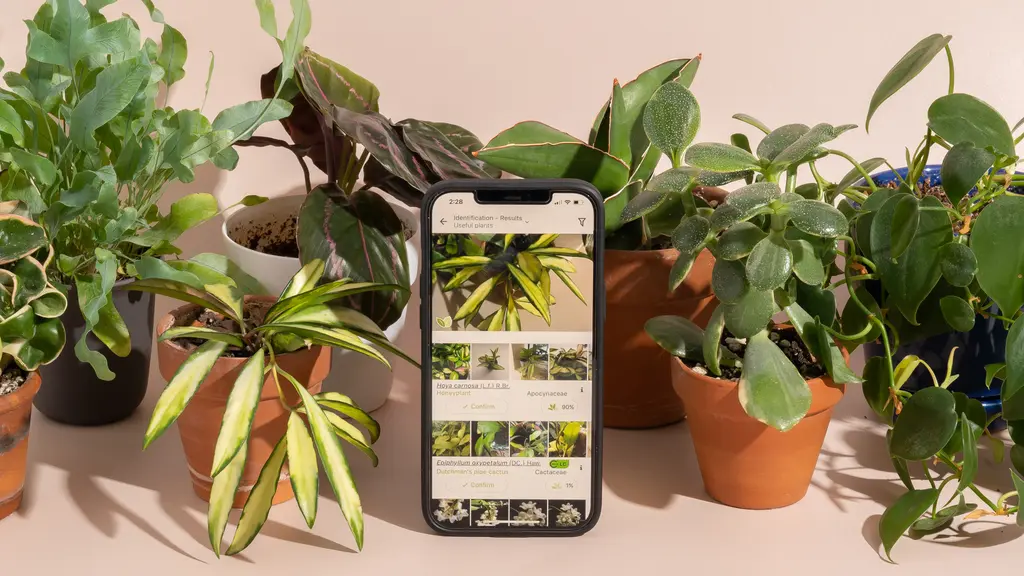
In today’s digital age, connecting with nature has become easier and more exciting than ever thanks to the best plant identification app options available. Whether you’re a casual gardener, an outdoor enthusiast, or a biology student, these smart apps help you recognize plants instantly, transforming your smartphone into a powerful botanical guide.
What Is a Plant Identification App?
A plant identification app is a mobile application that uses artificial intelligence and a photo recognition database to identify various plants, flowers, trees, and even weeds. All you need to do is take a picture, and the app provides the plant’s name, details, care tips, and more.
Why You Need the Best Plant Identification App
Choosing the best plant identification app can significantly enhance your gardening or hiking experience. Here’s why:
- Accuracy: The best apps offer highly accurate results powered by AI and large botanical databases.
- Ease of Use: Just snap a picture and get results instantly—no need for botanical expertise.
- Educational: These apps provide detailed information, helping you learn about native and exotic plants.
- Community Features: Some apps include forums or social networks where plant lovers can connect and share discoveries.
Top Features to Look for in the Best Plant Identification App
- Instant Image Recognition
The best plant identification app should be able to quickly identify plants from images using advanced AI. - Offline Capability
Great for remote hiking trails or garden spaces without internet access. - Plant Care Guidance
Helpful tips on watering, sunlight, soil needs, and pest control. - Extensive Database
The best apps include thousands of plant species, both common and rare. - User-Friendly Interface
Easy navigation makes it accessible for beginners and experts alike.
Top 3 Best Plant Identification Apps in 2025
- PlantSnap
PlantSnap is widely recognized as one of the best plant identification app choices globally. With over 600,000 plant species in its database, it provides rapid, accurate identification. - PictureThis
Known for its beautiful design and accuracy, PictureThis uses AI to identify plants and offer personalized care tips. It’s one of the top-rated apps in the category of best plant identification app. - PlantNet
This community-based app encourages user contributions and scientific collaboration. PlantNet stands out as one of the best plant identification app options for nature lovers and researchers alike.
Conclusion
Whether you’re trying to identify an exotic flower in your backyard or a tree during a mountain hike, having the best plant identification app on your phone can make all the difference. It empowers you to learn, explore, and take better care of the environment around you. Start your green journey today with a powerful plant ID tool in your pocket!
FAQS
- What is the best plant identification app available?
Many users consider PlantSnap, PictureThis, and PlantNet to be among the best plant identification apps due to their large databases, accuracy, and user-friendly interfaces. - How do plant identification apps work?
These apps use AI-powered image recognition. You take a photo of a plant, and the app compares it to a vast database to identify the species, providing you with names, descriptions, and care tips. - Are plant identification apps accurate?
Most top apps are highly accurate—up to 90% or more, especially for common plants. Accuracy may vary based on photo quality and the plant species. - Are plant identification apps free?
Some apps offer free basic features (e.g., PlantNet), while others have subscription models for full access (e.g., PictureThis). Always check app store details for pricing and features. - Can these apps identify all types of plants?
Most apps can identify flowers, trees, herbs, houseplants, weeds, and even mushrooms. However, rare or region-specific species might not always be recognized accurately.