




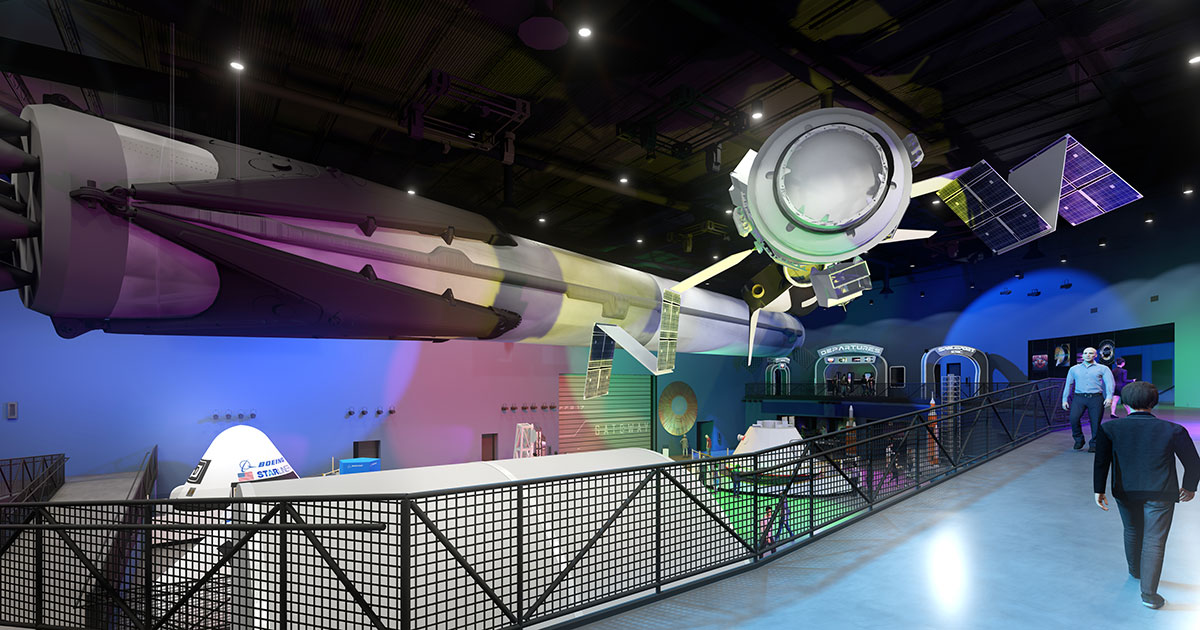
The Kennedy Space Center is more than just a launch site; it’s a powerful symbol of human curiosity, innovation, and our never-ending desire to explore the unknown. Located on Merritt Island, Florida, this iconic facility has played a central role in the history of spaceflight, from the Apollo moon missions to today’s ambitious Mars exploration plans. It’s not just a place for rocket scientists; it’s also one of the most popular tourist destinations in the United States, attracting millions of visitors each year.
In this article, we take an in-depth look at the Kennedy Space Center, including its history, major achievements, tourist attractions, educational opportunities, and what the future holds for this incredible spaceport.
A Brief History of the Kennedy Space Center
Established in 1962, the Kennedy Space Center (KSC) was created to serve as NASA’s primary launch center for human spaceflight. It was named after President John F. Kennedy. This declaration led to the famous Apollo missions, many of which launched from KSC’s historic Launch Complex 39.
The Kennedy Space Center was the birthplace of legendary missions, including Apollo 11 in 1969, when Neil Armstrong and Buzz Aldrin became the first humans to walk on the Moon. Over the decades, it has supported Space Shuttle launches, International Space Station missions, and modern commercial spaceflight programs.
Key Achievements and Missions
The Kennedy Space Center has been at the heart of nearly every major U.S. space mission. Its most notable contributions include:
- Apollo Missions: Between 1968 and 1972, KSC was the launch site for all Apollo missions that landed on the Moon.
- Space Shuttle Program: From 1981 to 2011, KSC was the home base for NASA’s Space Shuttle program, which enabled humans to live and work in space for extended periods.
- International Space Station (ISS): KSC has supported countless missions to the ISS, enabling scientific research and international collaboration.
- Commercial Crew Program: In recent years, KSC has become a hub for private companies like SpaceX and Boeing, which now send astronauts to space under NASA’s commercial crew program.
- Artemis Program: The upcoming Artemis missions, aiming to return humans to the Moon and eventually reach Mars, will also launch from the Kennedy Space Center.
The Kennedy Space Center Visitor Complex
This public area offers a fascinating blend of history, technology, and inspiration. Here’s what visitors can explore:
1. Rocket Garden
Visitors can walk among these giants and learn about the evolution of rocket technology.
3. Heroes & Legends
This exhibit celebrates the pioneers of space exploration, including a powerful walk-through experience of the U.S. Astronaut Hall of Fame.
4. Astronaut Encounter
A rare opportunity for guests to meet and ask questions to real astronauts. This interactive session offers personal stories and insights into life in space.
5. IMAX Space Films
State-of-the-art IMAX theaters show high-definition documentaries that take viewers on a visual journey through space and time.
6. Launch Viewing
Seeing a launch in person, with the ground shaking and engines roaring, is an unforgettable experience.
Educational Programs and Opportunities
The Kennedy Space Center is also a major hub for education. It offers numerous STEM (Science, Technology, Engineering, and Mathematics) programs aimed at inspiring the next generation of scientists and engineers.
- Camp KSC: A hands-on educational experience for students aged 7–16. Campers get to train like astronauts, build and launch rockets, and work in space-themed simulators.
- Field Trips: Schools across the country bring students to KSC to learn about science, space, and technology through guided tours and workshops.
- Virtual Learning: The Kennedy Space Center also offers online resources, making space education accessible to students worldwide.
The Role of SpaceX and Blue Origin
Private space companies now play a growing role at the Kennedy Space Center. SpaceX has taken over Launch Complex 39A, while Blue Origin is developing nearby launch and testing facilities. This public-private partnership is helping to reduce the cost of space travel and speed up innovation.
- Reusable Rockets: The Kennedy Space Center is at the forefront of testing reusable rocket technology, which is crucial for making spaceflight more sustainable.
Environmental Preservation
NASA works carefully to balance its operations with environmental stewardship.NASA’s commitment to sustainability also includes using clean energy, reducing emissions, and preserving natural habitats.
The Future of the Kennedy Space Center
The Artemis program plans to send the first woman and the next man to the Moon by the late 2020s, with Mars exploration as the long-term goal.
KSC will also continue supporting:
- Commercial Spaceflight: As more companies enter the industry, the center will offer new launchpads and infrastructure.
- Space Tourism: Companies like Blue Origin and SpaceX are exploring tourism from KSC, giving civilians a chance to experience space.
Conclusion
The Kennedy Space Center is not just a launch facility; it’s a living museum, an educational powerhouse, and a gateway to the future. From walking among historic rockets to watching modern-day space launches, every visit offers a unique glimpse into humanity’s journey beyond Earth.
Whether you’re a student, a scientist, or simply a curious traveler, the Kennedy Space Center is a place where dreams take flight literally. As space travel evolves, KSC continues to stand as a beacon of progress, proving that with courage and imagination, the sky is not the limit, it’s just the beginning.